In the medical world, it’s easy to believe that higher quality imaging implies more detailed images. In reality, useful radiology serves more than one goal. It’s important to ask whether an exam provides the right information in a given medical circumstance.
If a patient needs to be assessed for breast or prostate problem The diagnostic questions for each patient are different. Modern radiology considers these differences by using several imaging techniques instead of a single scanner that can be used in all scenarios.
Patients have access to a broad variety of diagnostic services as well as imaging-guided procedures at the Wolfsburg Diagnostic Center.
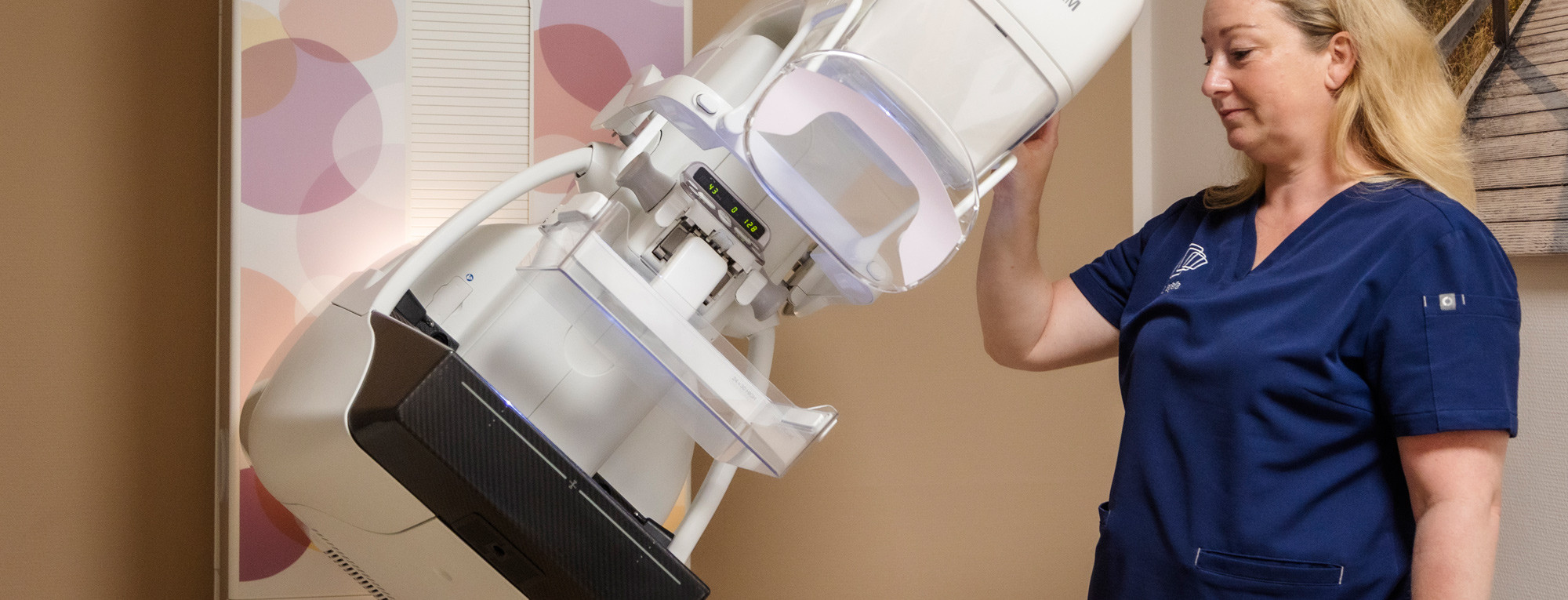
Image credit: diagnostikzentrum-wolfsburg.de
Different Body Parts Represent Themselves in Different Ways
With different imaging techniques using different imaging techniques, the bones, soft tissues organs, joints, joints and other structures may not appear exactly the same way.
Magnetic resonance imaging is particularly useful in situations where a detailed view of the various soft tissue structures is needed. The Wolfsburg Diagnostic Center has two 1.5 Tesla MRIs that are utilized to conduct examinations of the spine and the brain as well as internal organs as well as soft tissue.
MRI doesn’t use X-ray radiation. The center also offers more targeted examinations, like prostate MRI and whole-body MRI whenever medically suitable.
The lesson for patients is simple The word “MRI” describes the technology, however the medical aspect decides how this technology will be utilized.
CT Offers a Different Type of Points of View
CT has its own role in diagnostic medicine. CT utilizes X-rays for detailed cross-sectional images of the human body. The Wolfsburg Diagnostic Center employs low-dose technology in order to minimize radiation exposure and keep the image’s quality.
The medical situation will determine the appropriate imaging method. The audio quality of a scan does not necessarily indicate its suitability.
Digital Xrays Still Have Value
MRI, CT and other imaging technologies are gaining the attention of many. This could make traditional X rays seem outdated. Digital X-rays can tell a different story.
Digital technology is an accurate method to look at the skeletal system. High-resolution imaging is paired with radiation-safe methods in the latest equipment.
The most recent technologies are not just replacing old methods and are actually expanding the options available to radiologists.
Breast Imaging Can Benefit A Focused Method
Breast diagnostics is another type of a specialized image. The center provides ultrasound of the breast, 3D mammography (or tomosynthesis) and mammography. These technologies can provide a variety of information about imaging and can be used in accordance with the particular medical situation of the patient.
Radiology is founded on the same idea: understanding what needs to determined is crucial for effective imaging.
Imaging can aid in the treatment
The scope of radiology isn’t only limited to identifying or observing abnormalities. The Wolfsburg Diagnostic Center offers CT-guided Periradicular Therapy (PRT), where CT imaging is used to guide the procedure. Another option is low-dose radiotherapy.
These examples show the ways in which imaging technology can go beyond observation and play an important role in precisely guiding medical care.
Precision is the art of asking a specific Question
Modern diagnostic centers aren’t identified by the number of devices they possess. Its worth is also derived from applying the correct technology to an identified medical need and having experts with experience interpret the resulting images. To learn more CT Wolfsburg
Patients have access to specialist care and a variety of radiological exams during private consultation hours.
It’s more than just making more images. It’s to produce clinically valuable data that aids physicians and patients in better understanding the medical questions being investigated.